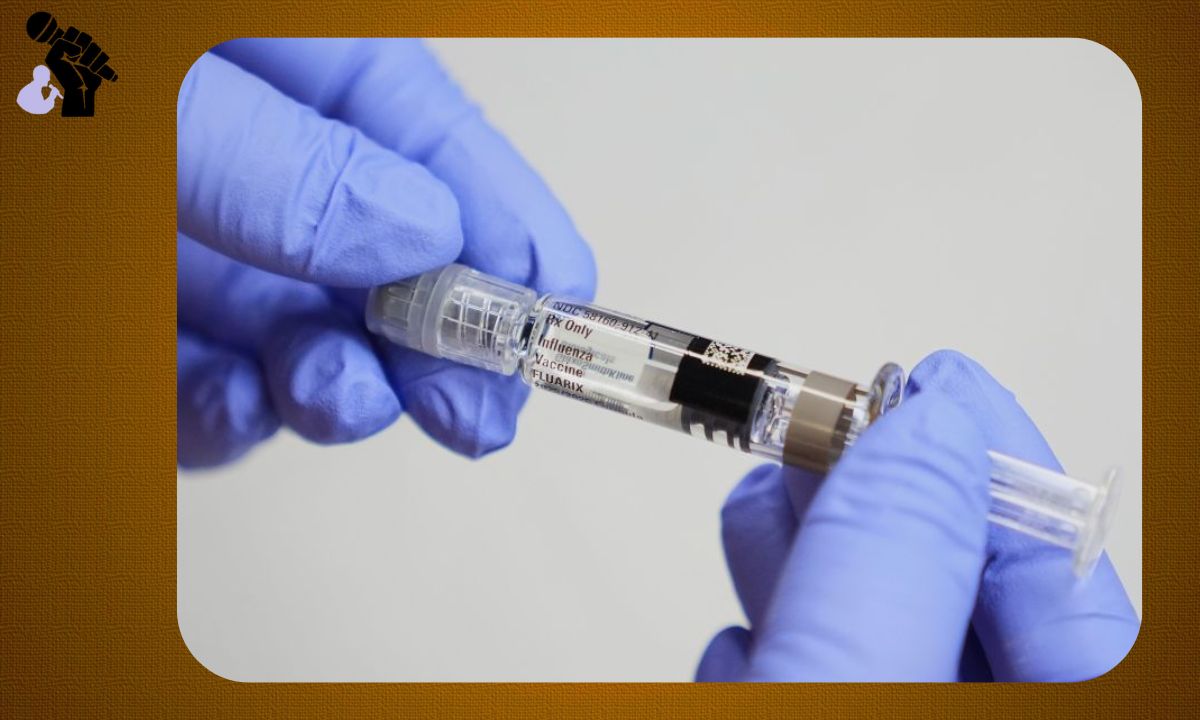
The winter holidays just got scarier. A powerful new flu strain is spreading rapidly across the United States. Health experts warn this could be one of the worst seasons in years.
The flu season subclade K variant emerged after vaccine formulations were finalized. Scientists discovered it too late to include in this year’s shots. Now Americans face a strain their immune systems haven’t encountered before.
Understanding the Flu Season Subclade K Variant
This variant belongs to the H3N2 influenza A family. It first appeared in Australia earlier this year. Their flu season saw nearly 500,000 confirmed cases, shattering previous records.
The flu season subclade K variant now dominates US lab samples. Most analyzed specimens this season test positive for this specific strain. H3N2 seasons typically hit older adults hardest.
Key Facts About Subclade K:
| Category | Details |
| Strain Type | Influenza A (H3N2) |
| First Detection | Australia, April 2025 |
| US Dominance | Majority of lab samples |
| High-Risk Groups | Seniors, young children |
| Vaccine Match | Not included in 2025 formula |
The variant spread through Japan, China, UK, and Canada before reaching America. Each country reported unusually early and severe flu activity. Canada’s season started weeks ahead of schedule.
Disease experts use week 40 (early October) as the calendar start of flu season. But real flu season begins when illness visits cross 3.1% nationally. This year hit that mark right after Thanksgiving.
Early Warning Signs Point to Severe Season
New York state saw cases rise two weeks earlier than normal. Hospitalizations doubled weekly for two consecutive weeks. The spike caught health officials off guard.
The state’s flu curve shows a J-shape pattern. That indicates rapid acceleration in severe cases. Most years show gradual increases, not sharp jumps like this.
New York City reports very high flu activity levels. New Jersey and New York state show high activity. Connecticut, Massachusetts, and Rhode Island reach moderate levels. Louisiana and Colorado also report high transmission.
Current High-Activity Regions:
- New York City (Very High)
- New York State (High)
- New Jersey (High)
- Louisiana (High)
- Colorado (High)
- Connecticut (Moderate)
- Massachusetts (Moderate)
- Rhode Island (Moderate)
Georgia, South Carolina, Texas, Puerto Rico, and Idaho show rising trends. The Northeast bears the heaviest burden so far. But western and southern states aren’t far behind.
The season already claimed its first child victim. Last year set a grim record with 280 pediatric flu deaths. Nearly 90% of those children hadn’t received flu shots.
How Well Do Current Vaccines Work
The 2025 flu shot doesn’t target the flu season subclade K variant directly. Vaccine strain selection happened before scientists identified this variant. However, the shot contains related strains that offer partial protection.
UK research shows promising but mixed results. Their vaccines reduced emergency visits and hospitalizations by 75% in children. Adults saw lower protection rates of 30-40% effectiveness.
Vaccine Effectiveness by Age Group:
| Age Category | Protection Rate | Outcome |
| Children | 75% | ER/Hospital visits |
| Adults | 30-40% | ER/Hospital visits |
| Seniors 65+ | 30-40% | ER/Hospital visits |
America might see different results than the UK. Most US vaccines use egg-based production methods. The UK primarily uses cell-based vaccines. Cell-based formulas typically provide stronger protection against evolving strains.
Experts still recommend vaccination despite the mismatch. Any protection beats no protection at all. The shot takes seven days to reach full effectiveness.
Only 38% of American children got flu shots this season. That’s lower than the past six years at this point. Kids have less natural immunity than adults because they’ve had fewer flu exposures.
Getting vaccinated now means protection kicks in before Christmas gatherings. Holiday travel and indoor celebrations create perfect transmission conditions. Unvaccinated kids face the highest risk.
Protection Strategies That Actually Work
Flu shots reduce severe illness risk even if they don’t prevent infection entirely. They also lower your chances of spreading the virus to vulnerable people. But vaccines alone aren’t enough this season.
Masks work exceptionally well in crowded indoor spaces. Airports, shopping malls, and transit hubs pose the highest risk. Wearing N95 or KN95 masks significantly cuts transmission.
Effective Prevention Measures:
- Get vaccinated immediately (don’t wait)
- Mask up in crowded public spaces
- Open windows for fresh air circulation
- Use HEPA air purifiers indoors
- Avoid high-risk venues when possible
- Test promptly if symptoms appear
- Start antivirals within 48 hours
Fresh air dilutes viral particles dramatically. Opening windows during gatherings helps even in cold weather. Yes, heating bills increase, but preventing illness saves more money long-term.
Air purifiers with HEPA filters capture airborne flu particles. Place them in frequently used rooms. They’re especially valuable during holiday dinners when masking isn’t practical.
Indoor entertainment venues carry extra risk. Trampoline parks, movie theaters, and restaurants trap recycled air. Limit time in these spaces or choose outdoor alternatives.
Recognizing and Treating Flu Symptoms
The flu season subclade K variant hits suddenly and hard. Symptoms don’t build gradually like common colds. High fever, severe body aches, and exhaustion strike all at once.
Watch for these telltale signs: fever above 100°F, dry cough, sore throat, chills, and muscle pain. Headaches and extreme fatigue make even simple tasks difficult. Some people experience nausea or vomiting.
When to Seek Medical Care:
| Symptom | Action Needed |
| Difficulty breathing | Emergency room immediately |
| Chest pain | Call doctor right away |
| Confusion/dizziness | Urgent medical attention |
| Symptoms improve then worsen | Contact healthcare provider |
| High fever lasting 3+ days | Schedule doctor visit |
Get tested if you develop symptoms. Rapid flu tests take just 15 minutes. Knowing your diagnosis matters because antiviral drugs work best early.
Tamiflu and other antivirals reduce illness duration by 1-2 days. They also prevent complications like pneumonia. But you must start them within 48 hours of symptom onset.
Don’t wait to see if you’ll improve naturally. The flu season subclade K variant moves fast. Early treatment makes the difference between mild illness and hospitalization.
What Public Health Experts Predict
Virologists expect a challenging few months ahead. Two consecutive severe flu seasons rarely happen, but this variant changes normal patterns. Previous exposure might not provide adequate protection.
Australia’s record-breaking season serves as a warning. Their winter often predicts Northern Hemisphere outcomes. The flu season subclade K variant caused their worst outbreak in decades.
Health departments sent urgent alerts to hospitals. They’re preparing for increased patient volumes. Infection control protocols are being reinforced statewide.
The unpredictability of flu makes forecasting difficult. Each season brings unique challenges. But early indicators suggest Americans should take this threat seriously.
FAQs
Is the flu season subclade K variant dangerous?
Yes, it causes more severe illness than typical flu strains, especially in seniors and young children.
Does the 2025 flu shot protect against subclade K?
Partially, it offers 30-75% protection depending on age group, though it wasn’t specifically designed for this variant.
When should I get my flu shot this season?
Immediately, as protection takes seven days to develop and the season is already underway.
What makes subclade K different from regular flu?
It’s a new H3N2 variant that spreads faster and wasn’t included in vaccine development.
Can masks prevent the flu season subclade K variant?
Yes, N95 and KN95 masks significantly reduce transmission risk in crowded indoor settings.
How long does flu season typically last?
Usually October through May, with peak activity between December and February in most years.
Stay Vigilant This Winter
The flu season subclade K variant presents real challenges this winter. But knowledge and preparation make all the difference. Vaccination remains your strongest defense despite imperfect protection.
Combine multiple prevention strategies for best results. Masks, ventilation, and smart choices about gatherings all help. Don’t let your guard down during holiday celebrations when transmission peaks.

Hey, I’m James a celebrity news writer with 10 years of experience bringing you honest and exciting stories.


