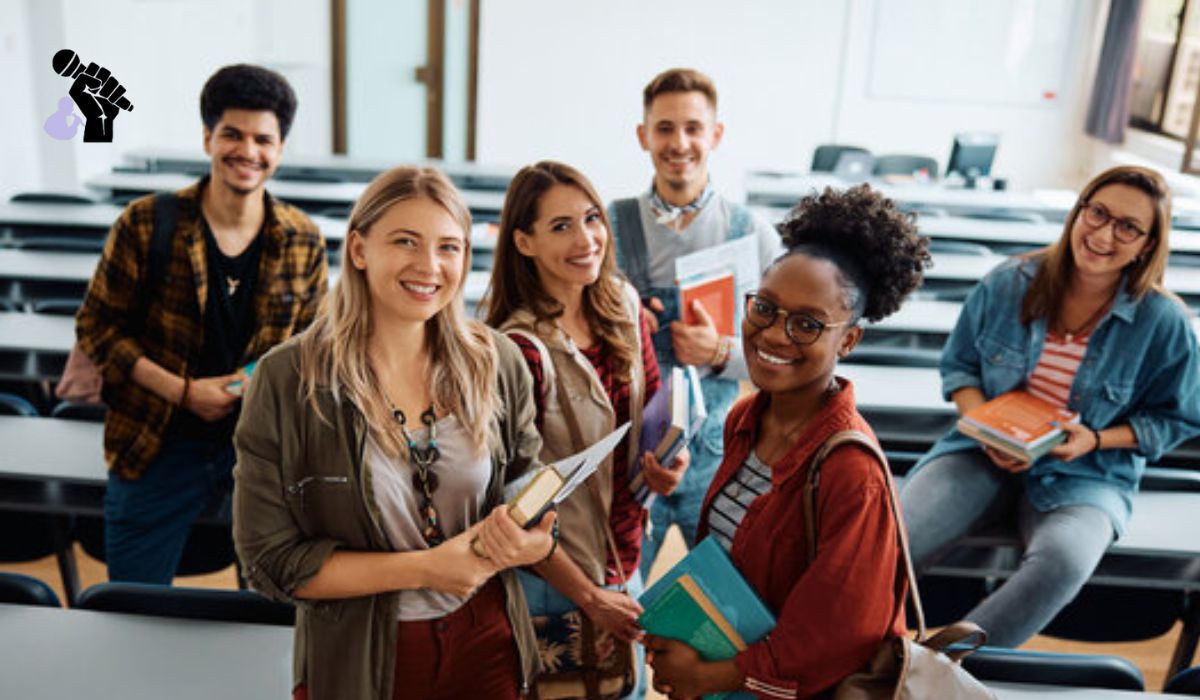
College life has transformed dramatically over the past decade. The traditional classroom experience—where students sat in rows, listened to lectures, and furiously scribbled notes—has evolved into something far more dynamic and interactive. Today’s college students are navigating a learning environment that blends cutting-edge technology, flexible schedules, personalized learning paths, and a greater emphasis on mental well-being.
This shift represents more than just a change in how classes are delivered. It reflects a fundamental reimagining of what higher education should accomplish and how students can best prepare for rapidly changing careers and life challenges.
Table of Contents
| Section | Key Topics Covered |
| 1. How College Classes Have Changed | Digital transformation, flipped classrooms, multimedia learning |
| 2. Balancing Classwork and Academic Pressure | Time management, workload stress, academic support |
| 3. The Rise of Hybrid and Online Classes | Remote learning, flexible schedules, accessibility |
| 4. Technology Is Now Part of Every Class | Learning platforms, digital tools, collaboration software |
| 5. Students Are More Active in Class | Interactive discussions, group work, critical thinking |
| 6. Mental Health and Well-Being Matter More | Counseling services, stress management, wellness programs |
| 7. Learning Outside the Classroom | Internships, real-world projects, experiential learning |
| 8. Building Skills for the Future | Communication, teamwork, adaptability, professional development |
How College Classes Have Changed
The college classroom of today bears little resemblance to those of even a decade ago. Walk into any modern lecture hall, and you’ll immediately notice the difference. Instead of chalkboards, there are interactive smart boards. Instead of students taking notes by hand, you’ll see laptops open, tablets propped up, and students engaging with digital course materials in real-time.
Traditional vs. Modern College Classroom
| Aspect | Traditional Classroom | Modern Classroom |
| Note-Taking | Handwritten notes only | Digital notes on laptops and tablets |
| Course Materials | Printed textbooks and handouts | Online platforms, e-books, digital PDFs |
| Lecture Delivery | In-person only | In-person, recorded, live-streamed options |
| Class Interaction | One-way lectures | Interactive discussions, live polls, Q&A |
| Assignment Submission | Paper submissions | Online portals, cloud storage platforms |
| Study Resources | Library books, office hours | 24/7 online resources, recorded lectures |
In the past, college classes were simple. Students sat in large rooms, listened to lectures, and took notes by hand. Now, classes use laptops, tablets, and sophisticated online platforms. Many professors share notes, slides, and videos online before class begins, allowing students to preview content and arrive prepared.
Key Changes in Modern Classrooms:
- Digital-First Learning: Professors share course materials through learning management systems before class, helping students prepare better and use class time more effectively
- Flipped Classroom Model: Students watch lectures at home and use class time for hands-on activities, discussions, and collaborative problem-solving
- Flexible Pacing: Students can review lessons anytime and study at their own pace, which is crucial for mastering difficult concepts
- 24/7 Resource Access: Learning continues beyond class hours through digital resources accessible around the clock
- Multimedia Integration: Classes incorporate podcasts, videos, interactive simulations, and modules catering to different learning styles
- Interactive Technology: Smart boards and digital tools enable real-time collaboration and visual demonstrations
This change helps students prepare better for each session. They can review material multiple times without feeling rushed or left behind. Learning no longer stops when the class ends.
Balancing Classwork and Academic Pressure
Today’s college students juggle far more than just attending class. They manage assignments, part-time jobs, internships, and personal lives simultaneously. This balancing act can feel overwhelming, especially during exam weeks when multiple deadlines converge.
Common Sources of Academic Pressure
| Pressure Source | Description | Impact Level |
| Heavy Course Load | Multiple classes with simultaneous deadlines | High |
| Part-Time Employment | Working 15-30 hours weekly while studying | High |
| Internship Requirements | Positions demanding significant time commitment | Medium-High |
| Financial Stress | Student loans, tuition, living expenses | High |
| Social Expectations | Friendships, networking, campus involvement | Medium |
| Career Planning | Resume building, job applications | Medium-High |
College students today handle more than just class time. The pressure to excel while managing competing demands has led many students to seek support through various channels.
Effective Strategies for Managing Academic Pressure:
- Time Management Skills: Creating detailed schedules that allocate specific blocks for studying, working, and personal activities prevents last-minute stress
- Prioritization Techniques: Identifying which assignments are most urgent and important helps students focus energy strategically
- Early Help-Seeking: Successful students reach out to professors, teaching assistants, and support services before falling behind
- Realistic Goal-Setting: Breaking large projects into smaller tasks makes overwhelming assignments feel achievable
- Academic Support Services: Many students use tutoring platforms, writing centers, and coaching to manage workloads and stay on track with deadlines
- Self-Care Practices: Regular exercise, adequate sleep, and healthy eating improve focus and reduce stress significantly
- Support Networks: Connecting with classmates, friends, and mentors creates safety nets during challenging periods
The modern college experience acknowledges that students face real challenges. Rather than expecting students to simply work harder, institutions provide resources and support systems to help them succeed without burning out.
The Rise of Hybrid and Online Classes
One major change in college education is the dramatic rise of online and hybrid classes. Some classes meet in person only once or twice a week, while others are fully online. This gives students unprecedented freedom in structuring their education.
Types of Modern Class Formats
| Format Type | Meeting Schedule | Key Features | Best For |
| Traditional | All sessions on campus | Face-to-face interaction | Labs, performance courses |
| Fully Online | No campus visits | Complete flexibility | Working students, remote learners |
| Hybrid | Mix of both | Balance of interaction and flexibility | Students wanting both formats |
| Synchronous | Live virtual classes | Real-time interaction | Students needing structure |
| Asynchronous | Self-paced deadlines | Watch lectures anytime | Variable schedules |
Technology Is Now Part of Every Class
Technology plays a big role in the modern college class. Students use learning platforms to submit homework, take quizzes, and join discussions. Group projects often happen through shared documents and video calls, making collaboration possible even when team members can’t meet in person.
Essential Technology Tools in Education
| Tool Category | Popular Platforms | Primary Functions |
| Learning Systems | Canvas, Blackboard, Moodle | Course materials, assignments, grades |
| Video Conferencing | Zoom, Microsoft Teams, Google Meet | Virtual classes, office hours, meetings |
| Collaboration | Google Workspace, Microsoft 365 | Group projects, shared documents |
| Communication | Slack, Discord, Email | Class discussions, peer support |
| Study Apps | Quizlet, Anki, Khan Academy | Flashcards, practice questions |
| Productivity | Notion, Todoist, Trello | Task management, scheduling |
This makes teamwork easier and more efficient. It also helps students build digital skills that are useful after college. Learning how to use technology well is now part of education itself.
How Technology Enhances Learning:
- Instant Feedback: Digital quizzes provide immediate results, allowing students to identify and correct misunderstandings quickly
- Enhanced Collaboration: Shared documents and virtual whiteboards make group work efficient regardless of location
- Personalized Learning: Adaptive software adjusts difficulty based on performance, providing extra practice where needed
- Expanded Resources: Students access online libraries, databases, video tutorials, and expert lectures worldwide
- Professional Skills: Regular use of industry-standard software builds competencies that transfer to careers
- Better Organization: Calendar integrations, reminders, and notifications help students stay organized
- Data Insights: Learning analytics help students understand progress and adjust study strategies
Students Are More Active in Class
Today’s college classes are more interactive. Professors encourage discussions, group work, and problem-solving. Students are expected to share ideas and ask questions rather than sitting silently.
Active Learning Techniques
| Technique | Description | Skills Developed |
| Think-Pair-Share | Reflect, discuss, then share with class | Critical thinking, communication |
| Case Studies | Analyze real scenarios and propose solutions | Practical application, decision-making |
| Peer Teaching | Students explain concepts to classmates | Deep understanding, leadership |
| Debates | Argue different sides of topics | Argumentation, research skills |
| Problem-Based Learning | Work through challenges with minimal guidance | Independent thinking, resilience |
| Interactive Polling | Real-time questions during lectures | Engagement, immediate feedback |
| Group Projects | Team assignments requiring cooperation | Teamwork, project management |
Mental Health and Well-Being Matter More
Colleges now focus more on student well-being. Many schools offer counseling, stress workshops, and wellness programs. Professors also understand that students face pressure and are increasingly flexible.
Mental Health Resources on Campus
| Resource Type | Services Offered | Access |
| Counseling Centers | Individual therapy, group counseling | Free or low-cost for students |
| Wellness Programs | Stress management, meditation, yoga | Drop-in sessions, scheduled classes |
| Peer Support | Trained student listeners, support groups | Informal, peer-to-peer |
| Accommodations | Extended deadlines, testing modifications | Through disability services |
| Crisis Hotlines | 24/7 phone and text support | Anonymous, immediate access |
| Health Services | Primary care, nutrition, sleep support | Campus health centers |
Learning Outside the Classroom
Learning today goes beyond lectures. Students learn through internships, projects, and real-world experiences. Many classes include case studies or hands-on activities connecting lessons to real life.
Types of Experiential Learning
| Learning Type | Description | Skills Gained |
| Internships | Temporary work positions | Professional experience, networking |
| Research Projects | Working with faculty | Critical thinking, methodology |
| Service Learning | Community service with coursework | Civic engagement, empathy |
| Study Abroad | Studying in another country | Cultural competence, independence |
| Capstone Projects | Major final project | Integration of knowledge |
| Co-op Programs | Alternating study and work | Deep industry experience |
| Lab Work | Hands-on practice | Technical skills, problem-solving |
| Campus Leadership | Leading student organizations | Leadership, event planning |
Building Skills for the Future
College classes now focus on skills, not just knowledge. Students learn communication, teamwork, and critical thinking. These skills help them succeed after graduation in any career path they choose.
Essential Skills for Career Success
| Skill Category | Specific Abilities | Career Relevance |
| Communication | Written, verbal, presentation skills | Essential for all professions |
| Critical Thinking | Analysis, problem-solving, decision-making | Adapting to new challenges |
| Collaboration | Teamwork, conflict resolution, leadership | Most work happens in teams |
| Digital Literacy | Technology proficiency, data analysis | Technology pervades industries |
| Adaptability | Learning agility, resilience, flexibility | Navigating workplace changes |
| Emotional Intelligence | Self-awareness, empathy, relationships | Building professional connections |
| Creativity | Innovation, design thinking | Solving novel problems |
| Time Management | Prioritization, organization | Balancing multiple responsibilities |
The modern class prepares students for real challenges. It teaches them how to adapt and solve problems effectively.
FAQs
How have college classes changed in recent years?
College classes now use digital technology, online platforms, laptops, tablets, and interactive learning methods instead of traditional lectures and handwritten notes.
What is a hybrid class in college?
A hybrid class combines in-person campus meetings (once or twice weekly) with online coursework, offering both face-to-face interaction and schedule flexibility.
How do students manage academic pressure in college?
Students manage pressure through time management, prioritization, using campus resources like tutoring and counseling, and maintaining self-care practices.
What technology tools do college students use?
Students use learning management systems (Canvas, Blackboard), video conferencing (Zoom, Teams), collaboration tools (Google Workspace), and study apps (Quizlet, Khan Academy).
Why is mental health important in college?
Mental health directly affects academic success, which is why colleges offer counseling, stress workshops, wellness programs, and flexible deadline policies.
What is experiential learning in college?
Experiential learning includes internships, research projects, service learning, and hands-on activities that connect classroom theory to real-world practice.
Are online classes as effective as in-person classes?
Online classes can be equally effective with proper design and student self-discipline, offering flexibility though effectiveness varies by learning style.
What skills do college classes focus on today?
Modern classes emphasize communication, critical thinking, teamwork, digital literacy, adaptability, emotional intelligence, and time management skills.
How can students balance work and college?
Students balance both through time management, flexible class formats (hybrid/online), detailed scheduling, and communicating with professors about their circumstances.
What resources help students succeed in college?
Key resources include academic advisors, tutoring centers, writing labs, counseling services, career centers, library resources, and online learning platforms.
Conclusion
The new college class experience is different, exciting, and challenging. Students are learning in smarter ways with more support and flexibility. While college life can be busy, it also offers many opportunities to grow.
Today’s college students are not just attending class. They are building skills, managing responsibilities, and shaping their future. This new experience is helping them become confident and ready for the world ahead.
The transformation continues as technology advances and workplace demands evolve. What remains constant is the goal: preparing students to thrive by giving them knowledge, skills, experiences, and support systems that enable lifelong learning. The modern college class experience represents significant progress toward that essential goal.

Hey, I’m James a celebrity news writer with 10 years of experience bringing you honest and exciting stories.


