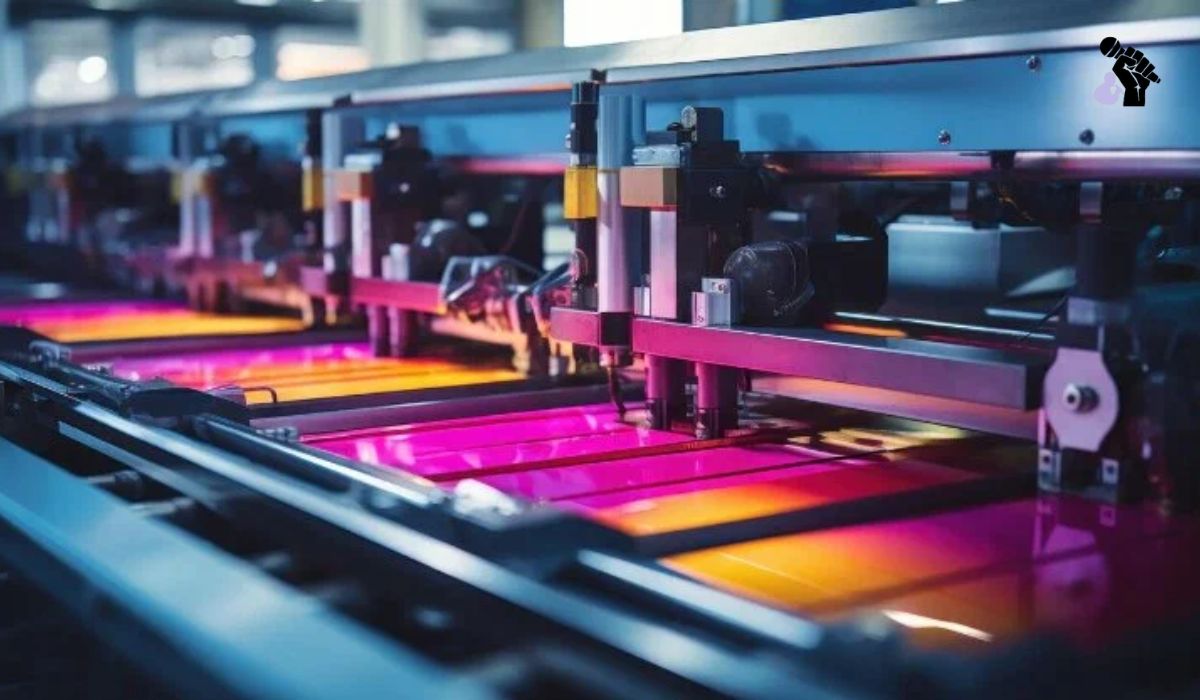
Packaging waste keeps piling up everywhere. Traditional printing methods create mountains of unused materials.
But there’s hope on the horizon. Digital printing flexible packaging is revolutionizing how brands approach sustainability. It cuts waste dramatically while boosting efficiency across production lines.
On-Demand Production Eliminates Unnecessary Waste
Conventional printing requires massive upfront commitments. Companies order thousands of units they might never use.
Digital printing changes everything about this outdated model.
Key advantages of on-demand production:
- Print exactly what you need right now
- Zero obsolete inventory sitting in warehouses
- Respond to branding updates instantly
- Adapt to regulatory changes without panic
- Test markets with minimal financial risk
Flexographic printing demands expensive plates and cylinders. Setup alone takes weeks of valuable time. Digital technology skips these costly barriers entirely.
Small businesses thrive with this approach. Startup brands can launch without huge capital investment. Seasonal products become financially viable options suddenly.
Consumer trends shift faster than ever before. Digital printing lets you pivot within days. Traditional methods lock you into months-long commitments.
The environmental impact reduction is remarkable. Material waste drops by 60-80% compared to gravure. Energy consumption falls because production becomes leaner.
Stand up pouches for food packaging showcase efficiency perfectly. They use 70% less raw material than rigid containers. Product protection remains excellent throughout the supply chain.
| Production Factor | Traditional Methods | Digital Printing |
| Minimum Order Quantity | 10,000-50,000 units | 100-1,000 units |
| Setup Time Required | 3-8 weeks | 2-7 days |
| Material Waste Rate | 15-30% | 2-5% |
| Plate/Cylinder Costs | $3,000-$15,000 | $0 |
| Design Change Cost | $2,000-$8,000 | $0-$200 |
| Storage Requirements | Extensive | Minimal |
Shorter print runs benefit growing brands immensely. Limited-edition releases don’t require massive overproduction anymore. Marketing campaigns adapt to real-time consumer feedback.
SKU proliferation becomes manageable with digital technology. Brands can target specific audiences without inventory nightmares. Multiple designs run simultaneously during single production cycles.
Food packaging printing regulations change constantly across regions. Digital systems let you update compliance information immediately. No massive inventory becomes obsolete overnight suddenly.
Flexible Materials Drive Environmental Progress Forward
Weight matters tremendously in packaging sustainability calculations. Every gram saved multiplies across millions of units.
Lightweight materials reduce transportation emissions significantly. Fewer trucks needed means lower carbon footprint overall.
Environmental benefits of flexible packaging:
- Uses 60% fewer raw materials than rigid alternatives
- Reduces transportation fuel consumption by 40%
- Generates 50% less CO2 during manufacturing
- Requires 70% less storage space throughout supply chain
- Extends product shelf life reducing food waste
Inkjet technology delivers precision conventional methods can’t match. Digital presses apply ink with surgical accuracy. Excess usage becomes practically nonexistent in modern facilities.
Rotogravure printing wastes substantial materials during setup runs. Each job requires extensive calibration and testing. Digital printing eliminates this environmental drain completely.
Stick packs demonstrate intelligent sustainable design thinking. Single-serve portions prevent product waste at consumer level. People use exactly what they need each time.
HP Indigo technology leads flexible packaging innovation currently. Their LEP printing reduces environmental impact by 40-60%. Compliance with FDA and European food safety standards comes standard.
Film substrates keep evolving toward better recyclability. PET, PP, and PE materials work beautifully with digital printing. Even paper-based options deliver excellent barrier protection now.
Solvent-free inks based on water or vegetable oils are becoming standard. They protect worker health while reducing environmental harm. Print quality remains exceptional across all applications.
The circular economy demands packaging that’s easy to recycle. Flexible formats simplified to single-material construction help tremendously. Brands can adapt as recycling infrastructure improves globally.
Cost-Effective Sustainability Creates Business Advantages
Sustainable choices don’t have to destroy profit margins. Digital printing proves environmental responsibility makes financial sense.
Traditional offset printing requires enormous upfront capital investment. Plates, cylinders, and setup costs add up quickly. Most small brands simply can’t afford entry.
Digital technology democratizes access to premium packaging solutions. Anyone can create professional-looking pouches now. Quality no longer depends on production volume alone.
Financial benefits breakdown:
- No plate costs saving $5,000-$20,000 per project
- Reduced inventory carrying costs by 70%
- Lower waste disposal fees throughout operations
- Faster time-to-market capturing seasonal opportunities
- Cash flow improvements from smaller batch production
- Ability to test markets without massive risk
Just-in-time supply chains become realistic for more companies. Print what you need when customer orders arrive. Storage costs plummet because you’re not warehousing mountains.
Obsolescence risk drops to nearly zero practically. Rebranding doesn’t mean throwing away 50,000 old packages. Design updates happen quickly without financial pain.
Energy costs decrease substantially with digital equipment. Modern presses consume 40% less electricity than flexo. Your monthly utility bills reflect these operational improvements.
Turnaround times compress from weeks to mere days. Products reach retail shelves faster than competition manages. Speed creates competitive advantages money can’t always buy.
| Cost Comparison | Annual Impact Traditional | Annual Impact Digital | Savings |
| Plate Production | $60,000 | $0 | $60,000 |
| Wasted Material | $45,000 | $8,000 | $37,000 |
| Storage Costs | $30,000 | $9,000 | $21,000 |
| Energy Usage | $25,000 | $15,000 | $10,000 |
| Obsolete Inventory | $35,000 | $2,000 | $33,000 |
| Total Annual Savings | $161,000 |
Brand Loyalty Grows Through Authentic Green Commitment
Consumers research company environmental practices obsessively now. Empty greenwashing claims get exposed instantly online.
Digital printing provides measurable sustainability improvements you can prove. Third-party lifecycle assessments validate environmental benefits independently. Transparency builds trust with increasingly skeptical audiences.
Younger demographics demand verifiable environmental responsibility from brands. They won’t buy products from companies lacking genuine commitment. Premium pricing becomes possible when values align properly.
Consumer behavior trends driving digital adoption:
- 73% prefer brands with strong environmental commitments
- 68% research packaging sustainability before purchasing
- 55% willing to pay 10-15% more for eco-friendly options
- 81% share positive sustainability stories on social media
- 64% boycott brands caught greenwashing their practices
Stand-up pouches communicate premium positioning immediately on shelves. Photo-quality printing creates stunning visual impact consistently. Shelf appeal doesn’t suffer when choosing sustainable options.
Limited editions become practical marketing tools suddenly. Seasonal designs don’t require wasteful overproduction anymore. Holiday packaging tests consumer response without huge risk.
Personalization opportunities expand dramatically with variable data printing. Individual customer names can appear on packages easily. Marketing campaigns achieve higher engagement through customization.
Retort pouches represent fastest-growing flexible packaging applications currently. Heat-treated food products demand specialized barrier properties. Digital technology handles these complex requirements beautifully now.
QR codes and augmented reality features integrate seamlessly. Packages become interactive marketing platforms connecting directly with consumers. Storytelling extends far beyond physical materials into digital experiences.
Regulatory Compliance Becomes Manageable Challenge
Packaging regulations tighten constantly across different markets. Governments crack down on single-use plastics aggressively. Non-compliance penalties grow more severe every year.
Digital printing makes adaptation dramatically faster and cheaper. Rules change and you update designs immediately. No massive inventory becomes illegal overnight unexpectedly.
Regulatory advantages of digital systems:
- Update compliance information within 48 hours
- Handle multiple regional variations simultaneously
- Track regulatory changes through automated systems
- Generate compliance documentation automatically
- Adapt to extended producer responsibility laws easily
- Test new materials as regulations evolve
Food contact regulations vary wildly between countries. FDA standards differ significantly from European Union requirements. Digital printing handles these complexities without separate production lines.
Swiss Ordinance compliance, EUPIA guidelines, and Nestlé standards all matter. HP Indigo technology meets stringent food safety regulations globally. Your packaging stays compliant across international markets automatically.
Converters who print food packaging face complex requirements. Government agencies and industry associations create strict guidelines. Digital ink technology ensures all relevant legislation gets met.
Migration testing requirements keep getting more demanding. Substances that contact food must meet safety standards. Modern digital inks are specifically formulated for compliance.
Labeling requirements change frequently as consumer protection increases. Nutritional information, allergen warnings, and sustainability claims need accuracy. Digital files update instantly keeping you legal always.
Innovation Opportunities Multiply Across Applications
Technology advances accelerate in digital printing constantly. New capabilities emerge every quarter bringing fresh possibilities.
Material science improves recyclable and compostable options continuously. Bio-based films perform better with each generation. Sustainable alternatives become truly viable at commercial scale.
Emerging innovations transforming the industry:
- Conductive inks enabling smart packaging features
- Active barrier coatings extending shelf life significantly
- Antimicrobial surface treatments improving food safety
- Temperature-indicating inks showing product freshness
- Blockchain integration for supply chain transparency
- Augmented reality experiences through printed markers
Three-side seal bags and center-seal formats expand dramatically. Box bottom bags create premium positioning on retail shelves. Printed roll stock offers flexibility for co-packing operations.
Coffee packaging demands exceptional barrier properties protecting aroma. Digital printing delivers food-grade protection with stunning graphics. Specialty applications become accessible to smaller roasters.
Pet food packaging represents enormous market opportunity currently. Personalization potential creates emotional connections with pet owners. Imagine your dog’s photo printed on food pouches.
Pharmaceutical applications require ultra-precise regulatory compliance. Digital printing ensures accuracy across complex labeling requirements. Serialization and track-and-trace capabilities integrate seamlessly.
Personal care and cosmetics brands value premium aesthetics highly. Photo-quality printing creates luxury positioning effectively. Small batch production enables testing new product lines.
Web width capabilities keep expanding across digital platforms. Modern presses handle 30-40 inch materials easily. Larger formats open new application possibilities continuously.
Print speed improvements make digital competitive with flexo. Some systems now achieve 150 meters per minute. Productivity matches traditional methods while maintaining digital advantages.
Real-World Success Stories Prove Viability
Brands worldwide are switching to digital sustainable packaging. Results exceed expectations across different product categories consistently.
ePac Flexibles pioneered digital-only packaging production successfully. They prove the model works at commercial scale. Growth rates exceed 40% year-over-year across locations.
TricorBraun Flex offers instant quoting through online platforms. Customers design bags and receive quotes immediately. Minimum orders start at just 1,000 units.
Side gusseted bags, flat pouches, and block bottom formats all work perfectly. Material options include recyclable films meeting sustainability goals. Quality matches traditional printing without compromise.
ProAmpac’s Ultimate Digital program serves UK and US markets. Nearly a decade of expertise proves digital’s reliability. They supply pre-laminated print stock for various applications.
Color consistency rivals rotogravure and HD flexographic quality. Registration accuracy meets demanding flexible packaging standards. Many identical film structures work across printing methods.
| Application Sector | Market Share | Growth Rate | Digital Adoption |
| Food Packaging | 70% | 6.8% annually | 18% and rising |
| Coffee/Beverage | 12% | 9.2% annually | 25% and rising |
| Pet Food | 8% | 7.5% annually | 15% and rising |
| Personal Care | 6% | 8.1% annually | 22% and rising |
| Pharmaceutical | 4% | 10.3% annually | 12% and rising |
FMCG brands benefit from shorter product lifecycles substantially. E-commerce growth demands instant delivery and variety. Digital printing matches modern consumer expectations perfectly.
Confectionery packaging creates emotional connections through personalization. Limited edition seasonal offerings drive excitement and urgency. Small runs make testing new flavors financially practical.
Dried fruits, nuts, and snack foods require excellent barriers. Flexible packaging extends shelf life reducing food waste. Digital printing adds premium aesthetics encouraging purchase decisions.
FAQs
What makes digital printing more sustainable than flexographic methods?
It eliminates plate waste and reduces material usage by 60-80% through precise on-demand production.
How quickly can brands transition to digital flexible packaging?
Most companies complete the switch within 2-4 weeks from initial decision to first production run.
Does digital printing cost more than traditional gravure printing?
For runs under 15,000 units digital costs less because there are no plate or setup fees.
Can digital printing match flexographic quality for food packaging?
Modern digital presses deliver equal or better color consistency and registration accuracy than flexo.
What minimum order quantities do digital printers require?
Most digital converters accept orders starting at 100-1,000 units depending on format and complexity.
Are digitally printed packages safe for direct food contact?
HP Indigo and similar technologies meet FDA, EU, and Swiss food safety regulations comprehensively.
Sustainable Future Starts With Smart Decisions Today
Digital printing flexible packaging represents the future happening right now. Environmental benefits combine with business advantages creating win-win scenarios.
Technology keeps improving making sustainability increasingly accessible. Every brand can reduce their environmental impact starting immediately. The question isn’t whether to switch but when you’ll begin.

Hey, I’m James a celebrity news writer with 10 years of experience bringing you honest and exciting stories.


